How often should you wash trucks in a Nova Scotia winter?
Trucks running salted roads in a Nova Scotia winter should be washed every one to two weeks, with the frame and underside getting more attention than the paint. Wash on a day near or above freezing so units can drain and dry, and never let a whole winter of salt sit on a truck until spring.
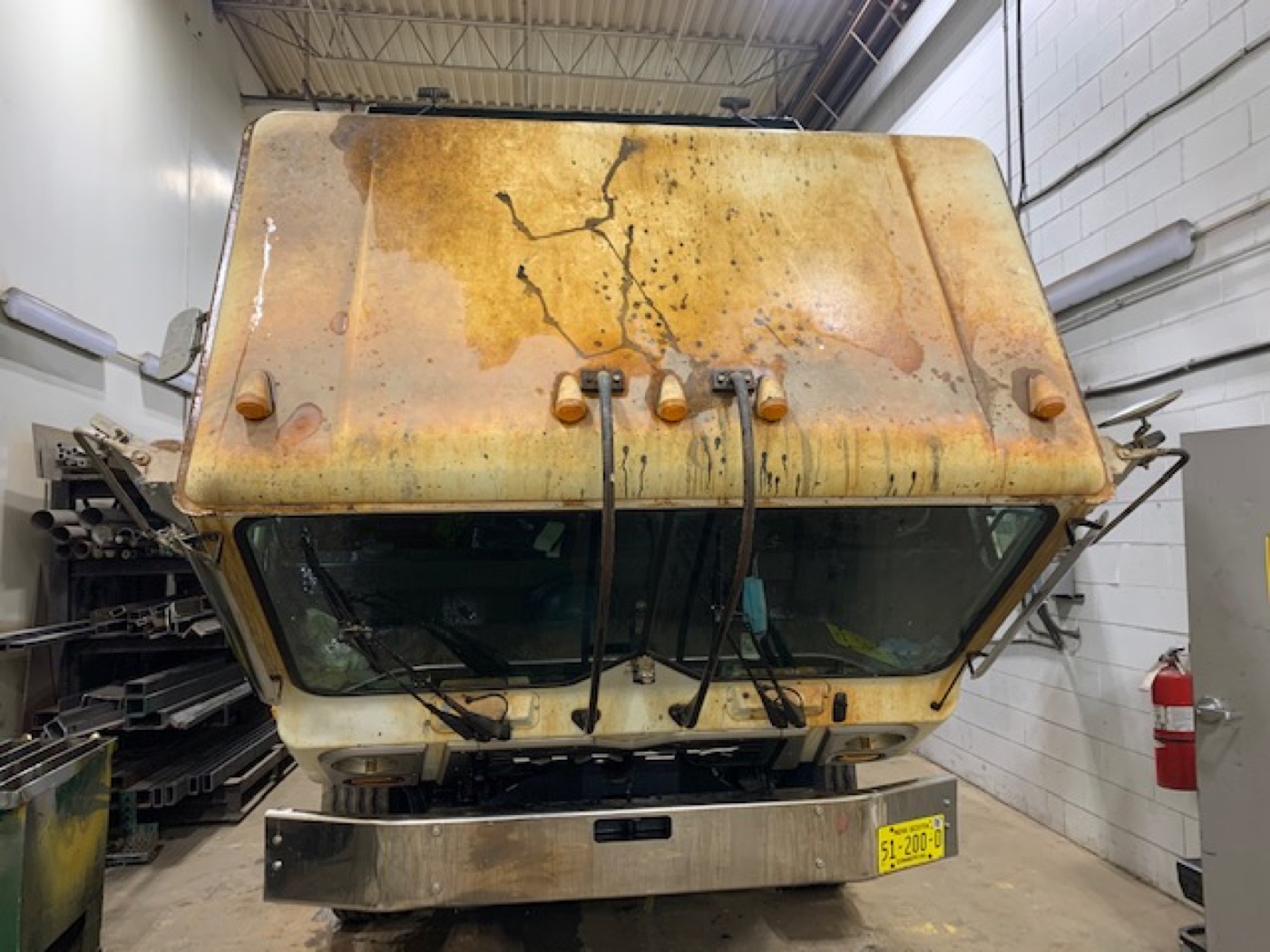
Winter is when a lot of fleets stop washing. It is cold, the trucks are dirty again by the next morning, and it feels like money down the drain. It is the other way around. Winter is when washing does the most good, because what you are washing off is salt.
Should you wash your trucks in the winter?
Yes. Road salt mixed with water and slush is what eats trucks, and Nova Scotia puts a lot of it down every winter. The salt does not stay on the paint. It packs into the frame rails and crossmembers, the wheel wells, around the fifth wheel and the landing gear, and onto brake parts, suspension and every wiring connector under the truck. As long as it sits there damp, it keeps working.
Washing a truck in January will not keep it clean for long. That is not the point. The point is getting the salt off before it has weeks to work on the steel.
How often should you wash a truck in winter?
For units on salted highways every day, every one to two weeks is a sensible rhythm. Trucks that run locally and see less salt can usually stretch to two or three weeks. After a stretch of heavy salting, or a thaw when everything is wet and salty at once, wash as soon as you reasonably can.
No single number fits every fleet. Mileage, which roads, and how long the trucks sit between runs all change it. Most fleets end up with a tighter rhythm in winter and a lighter one in summer. Our fleet washing page goes through how a regular schedule works.
Why the underside matters more than the paint
A truck that looks fine from the road can be carrying a whole winter of salt underneath. The cab and the box are painted and easy to see. The frame, brackets, brake chambers, air lines, tank straps and connectors are bare metal or close to it, and nobody looks at them until something lets go. That is where the rust starts, and where it costs the most to fix.
So in winter the underside gets washed first. Frame rails, crossmembers, wheel wells, suspension and the back of the cab, then the rest. Trailers get the same treatment: the frame, the landing gear and the underside of the deck or the box.
How cold is too cold to wash a truck?
It is too cold when the water will freeze before it drains off. Washing in deep cold leaves water in door seals and locks, around the brakes and in the connectors, and it freezes there. Pick a day near or above freezing, wash in the warmest part of the day, and give the units time to drain and dry before the overnight drop.
A couple of habits help after a winter wash. Open and close the doors a few times so the seals do not freeze shut. Take the truck for a short drive and use the brakes lightly to dry them out. Park it somewhere it can drip, not in a puddle that will be ice by morning.
Is it bad to wash a truck in the winter?
No. The idea that winter washing causes rust has it backwards. Clean water does far less harm than water with salt dissolved in it, and the salty mix is already on the truck. Rinsing it off and letting the truck dry takes the corrosive part away.
The problems people blame on winter washing, like frozen doors and seized locks, come from washing in deep cold and leaving water where it can freeze. That is a timing problem. It is not a reason to let salt sit until April.
Wash before the rustproofing, not after
Plenty of fleets get an oil spray or undercoating in the fall. A coating sprayed over packed mud and salt is coating the dirt, not the steel. Ask your rustproofing shop how they want the trucks to arrive. If they want them clean underneath, get the wash done far enough ahead that the frame is dry when they get there.
Plow trucks and spreaders
Snow removal units are the extreme case. A spreader laying salt all winter is coated in it, in the box, around the spinner and right through the frame. A wash or two during the season keeps the build up down. A proper wash the week the season ends stops the salt from getting the whole spring to work. There is more on that on our Cole Harbour fleet page, where a lot of the trucks are plows and spreaders.
A clean truck is a safer truck
Salt film on mirrors, lights, reflectors and plates cuts visibility in exactly the conditions where you need it most. A pre trip inspection on a truck caked in grey slush misses things. A washed unit lets the driver and the mechanic see a cracked bracket, a leaking line or a chafed wire before the road finds it.
How we do winter fleet washing
We are a mobile wash, so we come to your yard, your lot or your job site and wash the units where they are parked. We bring our own water on the truck, so nothing needs to be hooked up. The products we use are environmentally safe and will not harm plants, grass or animals, which matters when the yard drains toward a ditch. We carry insurance and WCB coverage, we are a BBB Accredited Business, and we have been doing this since 1997. Commercial work covers all of Nova Scotia.
If you run trucks out of Dartmouth and Burnside, Halifax or anywhere else in the province, send us the unit count, the types and where they park through our quote page, and we will work out a winter schedule with you. If there is heavy equipment in the same yard, it can be done on the same visit.