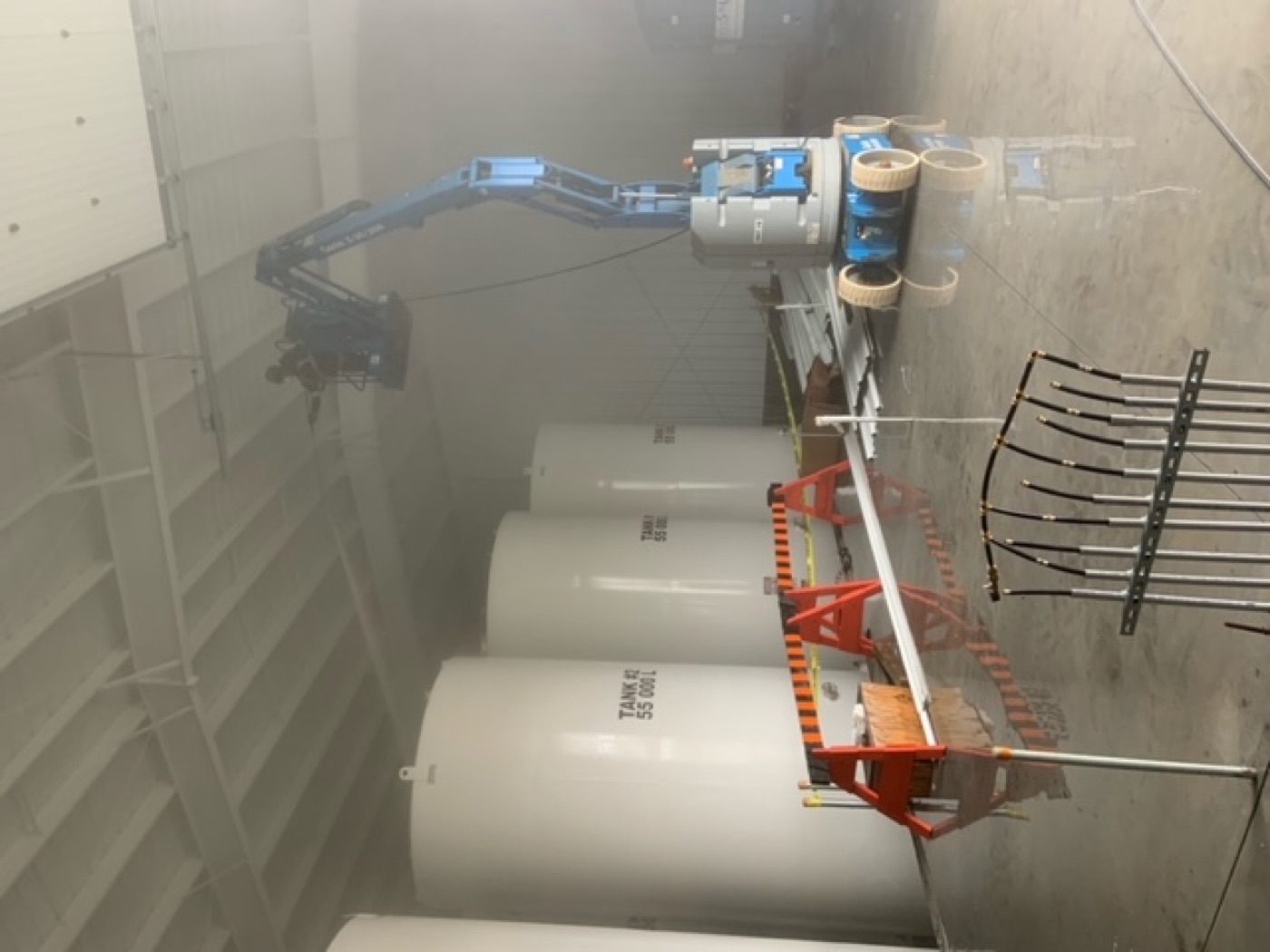
Paint prep and stripping
Paint tells on you. Whatever was left on the surface when the first coat went down shows up later as flaking, blistering or a finish that simply lets go.
The coating is only as good as what is under it
A coating does not stick to dirt, chalk, algae, mill glaze or old failing paint. It sticks to the surface. Every one of those things is a layer between your new finish and the thing you are trying to protect, and every one of them is a place for the paint to release from later.
What stripping and prep involves
- Taking old failing paint and coatings back off the surface
- Removing chalking, the powdery layer old paint leaves behind
- Killing and removing algae and growth so it does not keep working under the coat
- Cutting grease, oil and release agents off steel and equipment
- Leaving the surface clean and dry enough for the coating to actually bond
Steel, equipment and industrial surfaces
This is not only a house painting job. Equipment and industrial steel going in for a recoat need grease and contamination off first, and that is closer to what we do every day on the commercial side than most painters want to take on.
Timing matters
Prep and paint want to be close together. Leave a stripped surface exposed for weeks and you are partway back to where you started, especially outdoors in this climate. If you have a painter lined up, tell us when they are starting and we will work back from that.
Real jobs, not stock photos.
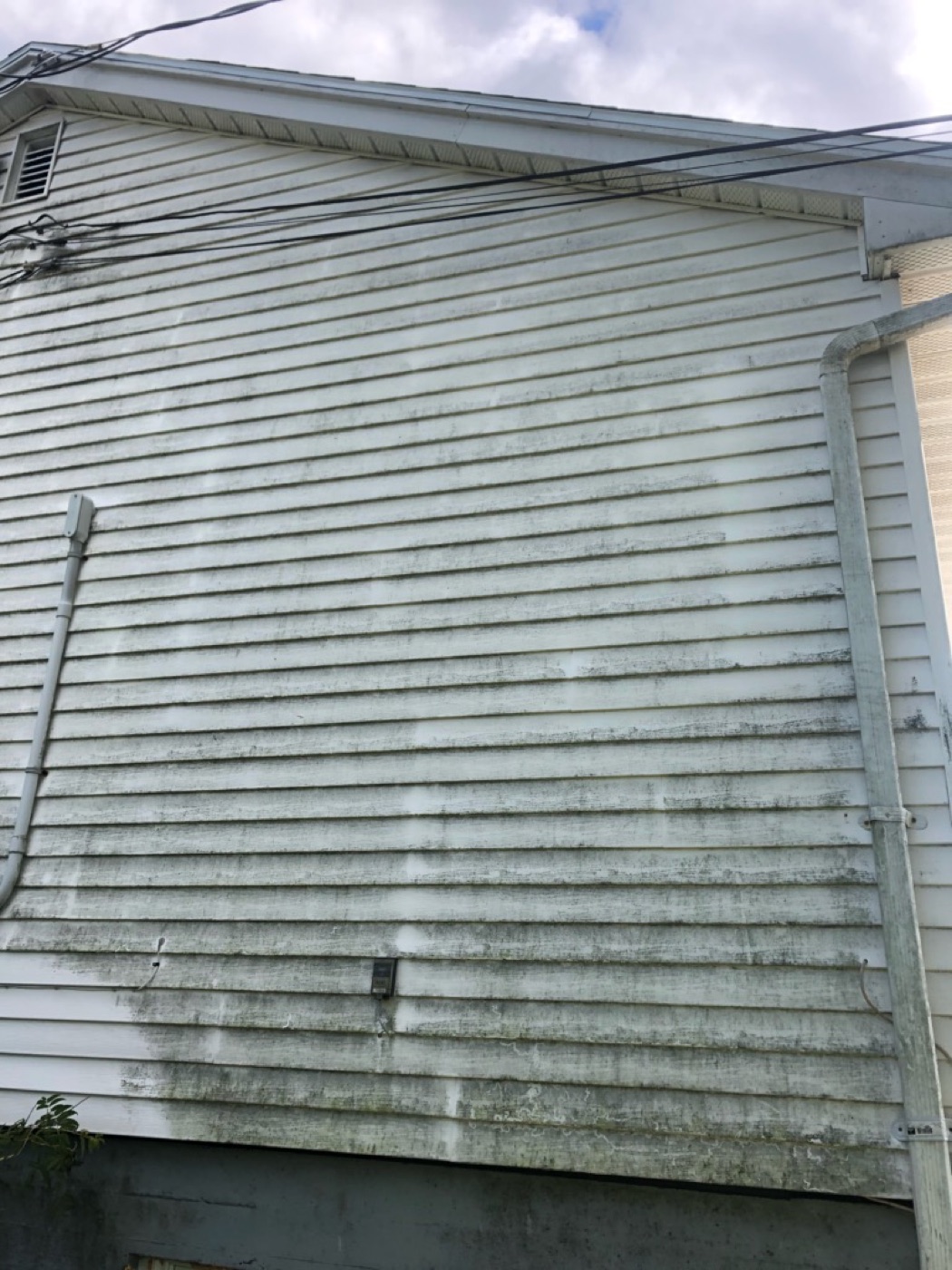
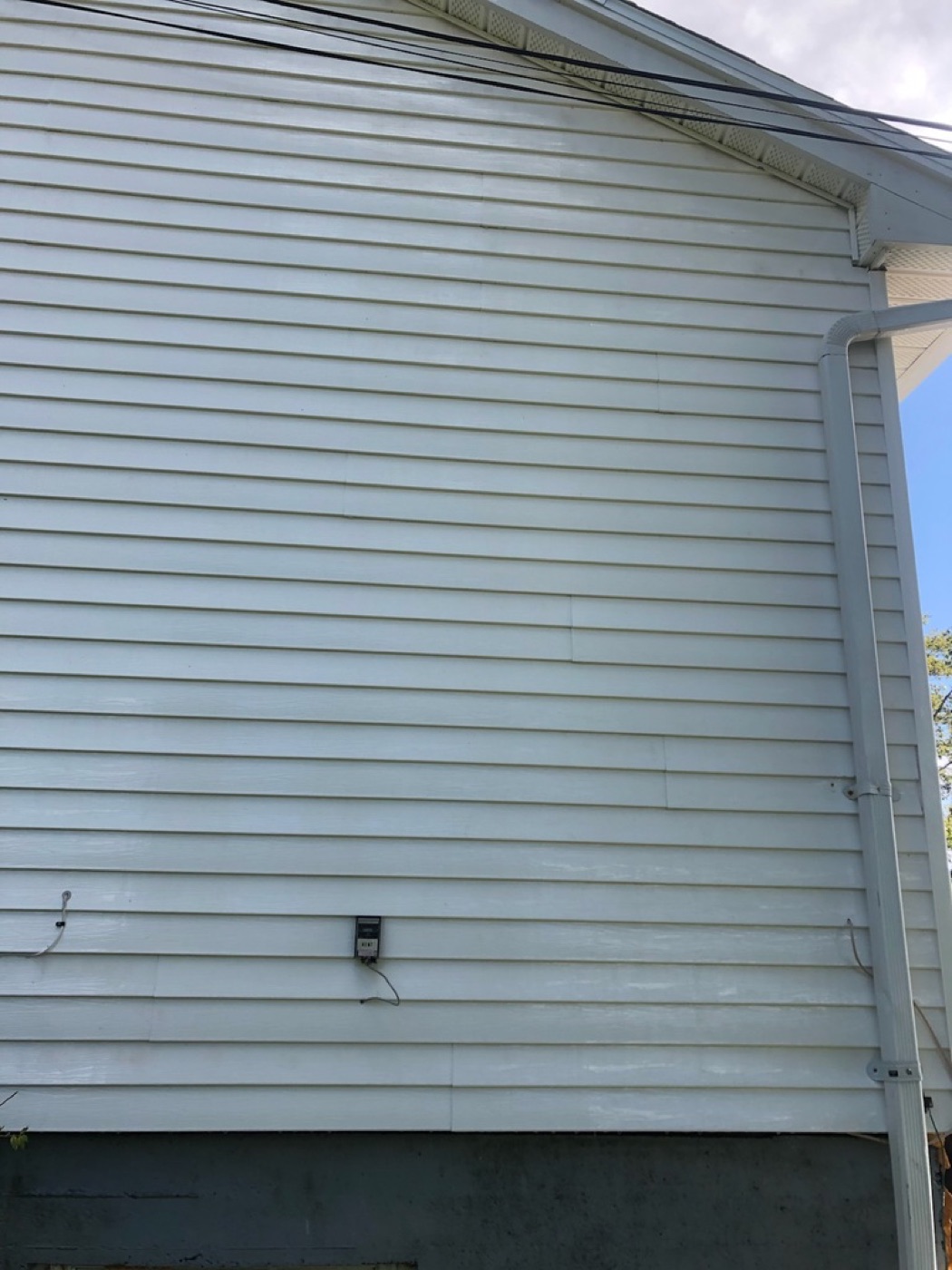 BeforeAfter
House siding
Everything else on the truck
Questions we get
Why does paint need the surface washed first?
Can you strip old paint off siding or wood?
Do you do paint prep on equipment and steel?
Where do you do paint prep work?
Point us at something filthy.
Tell us what it is and where it is. We will get you a straight number, no runaround.