When you should not pressure wash your house
A pressure washer is a genuinely useful tool and a genuinely destructive one. Here is when to put it down.
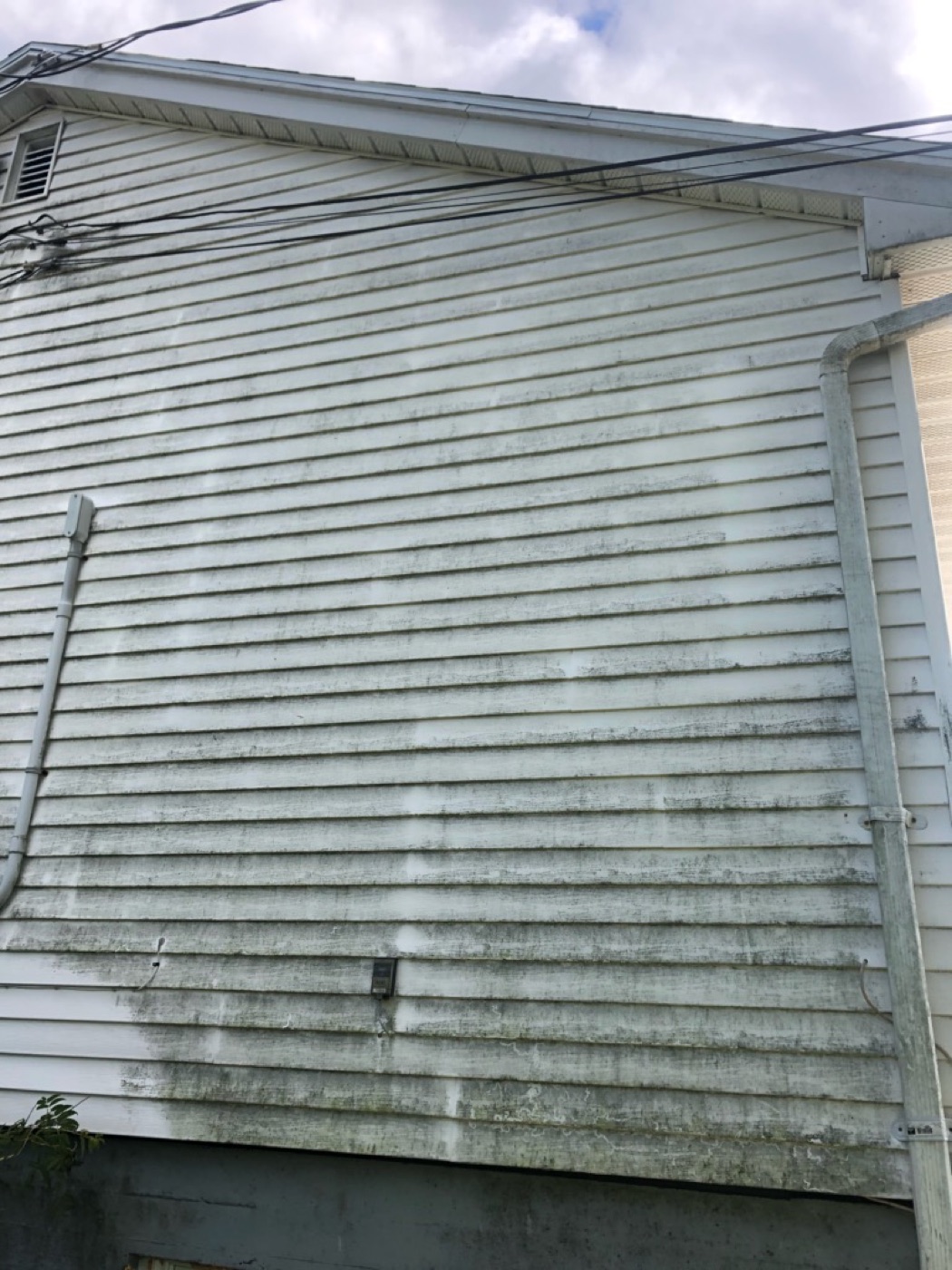
Most of the damage we get asked to look at was done by somebody with good intentions and a rented machine. The tool is fine. Pointing it at the wrong thing is the problem.
When the surface is soft
Old wood, cedar shingle, stucco and anything already flaking should not take full pressure. Wood furs up and marks permanently. Stucco chips. Flaking paint comes off in sheets and takes sound paint with it, which turns a wash into a much larger repaint.
When you would be spraying upward under siding
Siding is designed to shed water running down it. It is not designed to stop water being driven up underneath from below. Get water in behind the boards and it sits there against the sheathing with no sun and no airflow, which is how you end up with a problem far more expensive than the algae you were removing.
When it is about to freeze
In Nova Scotia this rules out a real part of the year for exterior washing. Water gets into every seam and joint during a wash. If the temperature drops below freezing before things dry out, that water expands, and it will find the weak point in a seal or a joint and open it up.
When the sun is straight on the wall
Cleaning product needs time on the surface to work. On a hot wall in direct sun it dries before it has done anything, which gives you a streaky wall and a result that does not last. Shade, or an overcast day, is genuinely better conditions for this work.
When there are things you cannot control below
Whatever comes off the wall lands on the beds, the lawn and anything living down there. This is exactly why the products matter. Everything we use is environmentally safe and will not harm plants, grass or animals, and if a company cannot tell you what they are spraying, that is worth asking about before they start.
When it is a height you should not be at
A pressure washer wand has real recoil, and it pushes back. On a ladder, with wet footing, holding something that shoves against you is how people get hurt. Second storey and above is not a job to improvise.
What to do instead
For almost everything on a house, the answer is a soft wash. Lower pressure, the right cleaning product, and time for it to work. It is gentler on the building, it deals with the growth rather than just the surface film, and the result holds up considerably longer.